
At one point in my painting life, I was drawn obsessively to Symbolist landscape painting, and I’m still rather fond of it. This summer, the National Galleries of Scotland has mounted a show in collaboration with the Van Gogh Museum and the
Ateneum Art Museum Finnish National Gallery to organize a big exhibition of Symbolist landscape paintings from the turn of the 20th century, featuring work by Van Gogh, Mondrian, Munch and Kandinsky as well as “a number of less familiar but brilliantly inventive artists” from Scandinavia and Eastern Europe. Rejecting the non-objective materiality of abstraction, the Symbolists focused on dreams, visions, moods, spiritulaity, and feelings, mining landscape imagery for its infinite metaphorical possibilities. Oh, the dark landscapes I used to make –sort of a mash up of Barbizon School pastoral imagery with Ellsworth Kelly’s monochromatic panel installations. I’ll have to dig up some old jpegs…
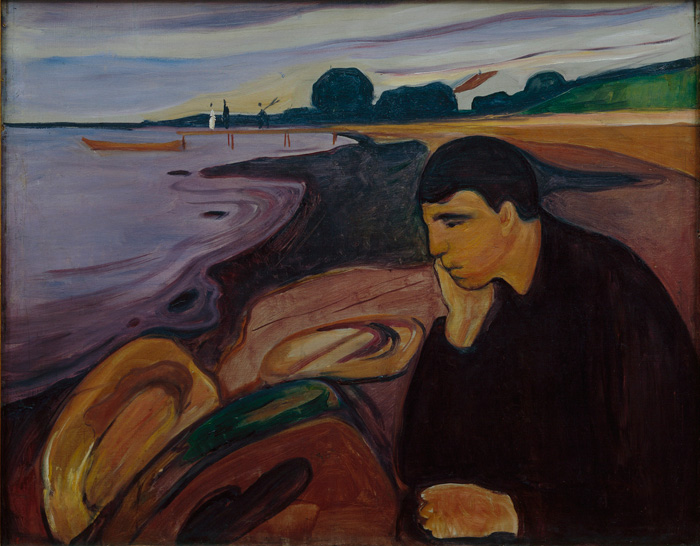
Edvard Munch, Melancholy, 1894/96, oil on canvas, 81 x 100.5 cm, Rasmus Meyer Collection, The Bergen Art Museum, RMS.M.249, � 2008 The Munch Museum / The Munch-Ellingsen Group / Artists Rights Society (ARS), NY.
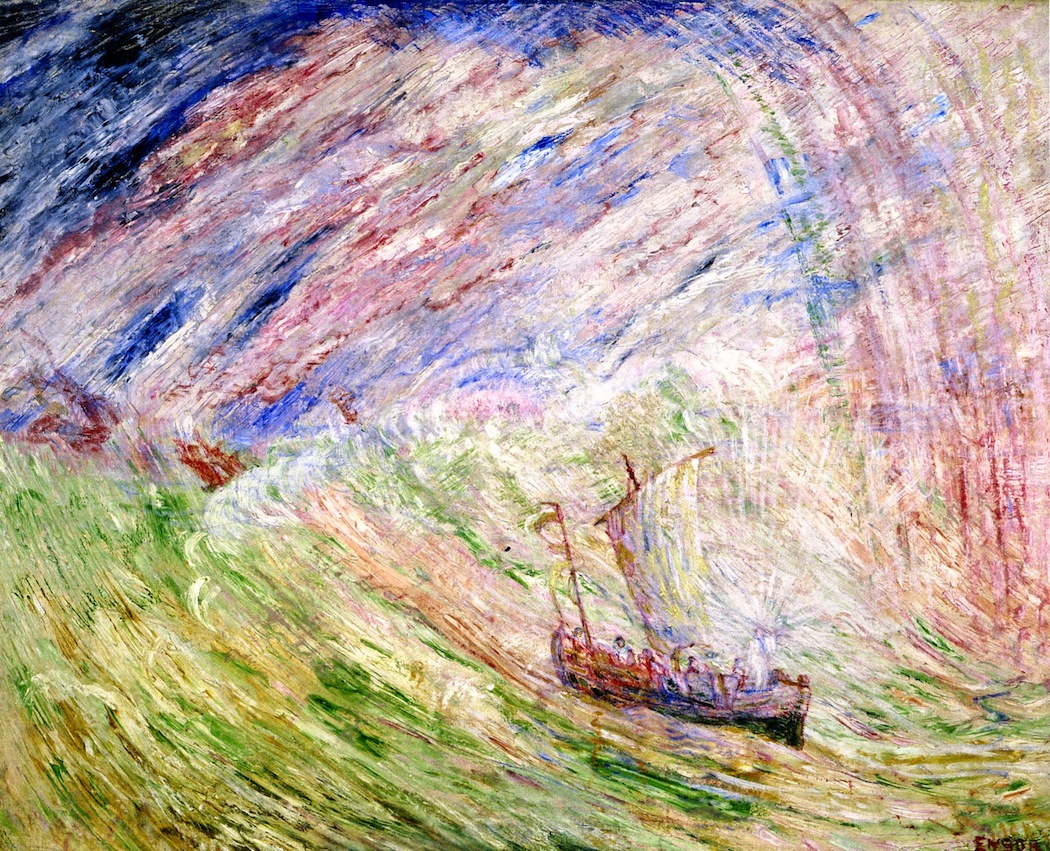
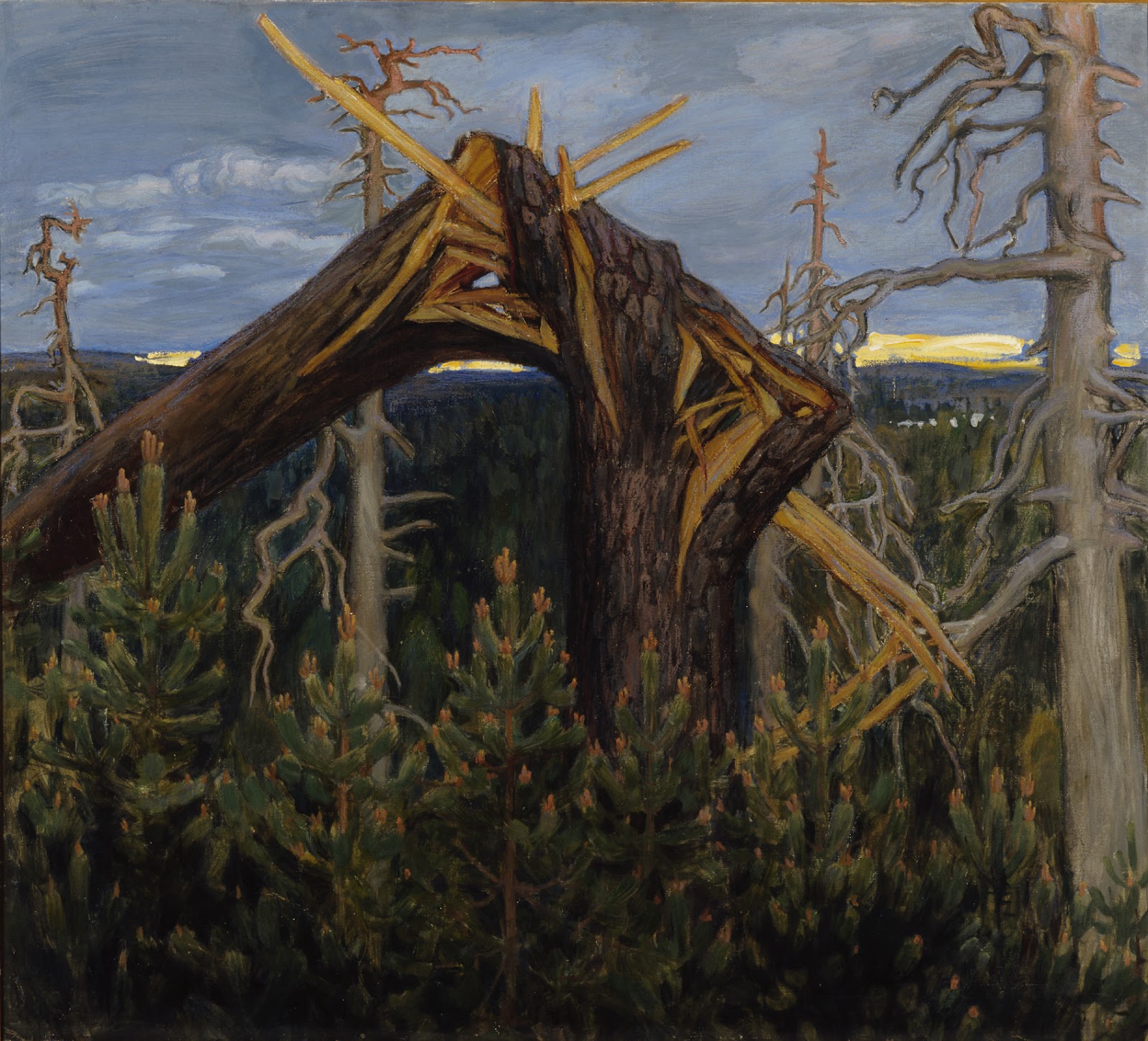
But anyway, from the press materials:
The exhibition is organized into the following six themes:
- Ancient and new paradises: Artists like B�cklin, Von Stuck and Puvis de Chavannes took inspiration from classical antiquity and mythology. Others, such as Signac and Gauguin, looked for paradise in unspoiled places far away from modern society.
- Nature and suggestion: Rather than just faithfully representing reality, landscapes by Symbolists such as Gallen-Kallela, Sohlberg and Hodler also reflect the feelings that nature evoked in the artist.
- Dreams and visions: Gauguin, Munch and Malczewski tried to open the gates to the unconscious mind. They painted dreams and visions, the world beneath the surface of observable reality.
- Silent cities: Many Symbolist artists saw modern city life as a threat. Whistler, Degouve de Nuncques and Khnopff transformed the city into a mysterious, dreamlike landscape born of memory and imagination.
- The cosmos: Through their landscapes, painters such as Watts, Van Gogh and Willumsen expressed their ideas about natural forces, cosmic energy, the eternal cycle of the seasons and the insignificance of human beings in the face of nature.
- Into the mystic: In their quest to express the sublime and spiritual, many artists (such as Whistler, Signac and Ciurlionis) drew connections between painting and music, while others (like Mondrian and Kandinsky) took the first steps towards abstraction.
I might have to send for the catalog, Dreams of nature: Symbolism from Van Gogh to Kandinsky with essays by by Rodolphe Rapetti, Richard Thomson, Frances Fowle and Anna-Maria von Bonsdorff. According to the press release, the authors “present an entirely new perspective,” from the precursors of symbolism, such as B�cklin and Whistler, to Mondrian and Kandinsky.
Related:
At Art & Antiques, check out a conversation about the exhibition with Edwin Becker, chief curator at the Van Gogh Museum.
On Two Coats TV, watch a video tour.
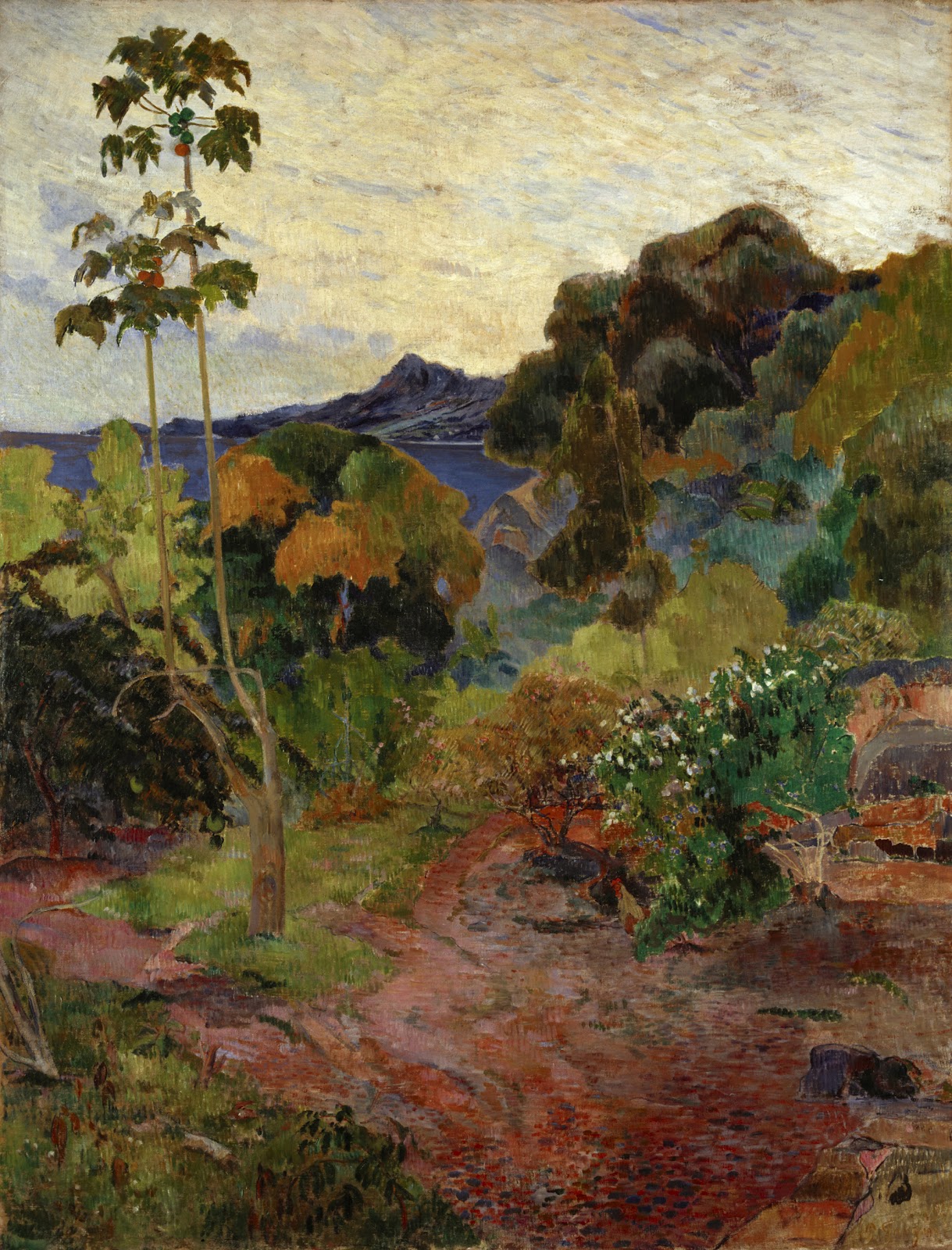
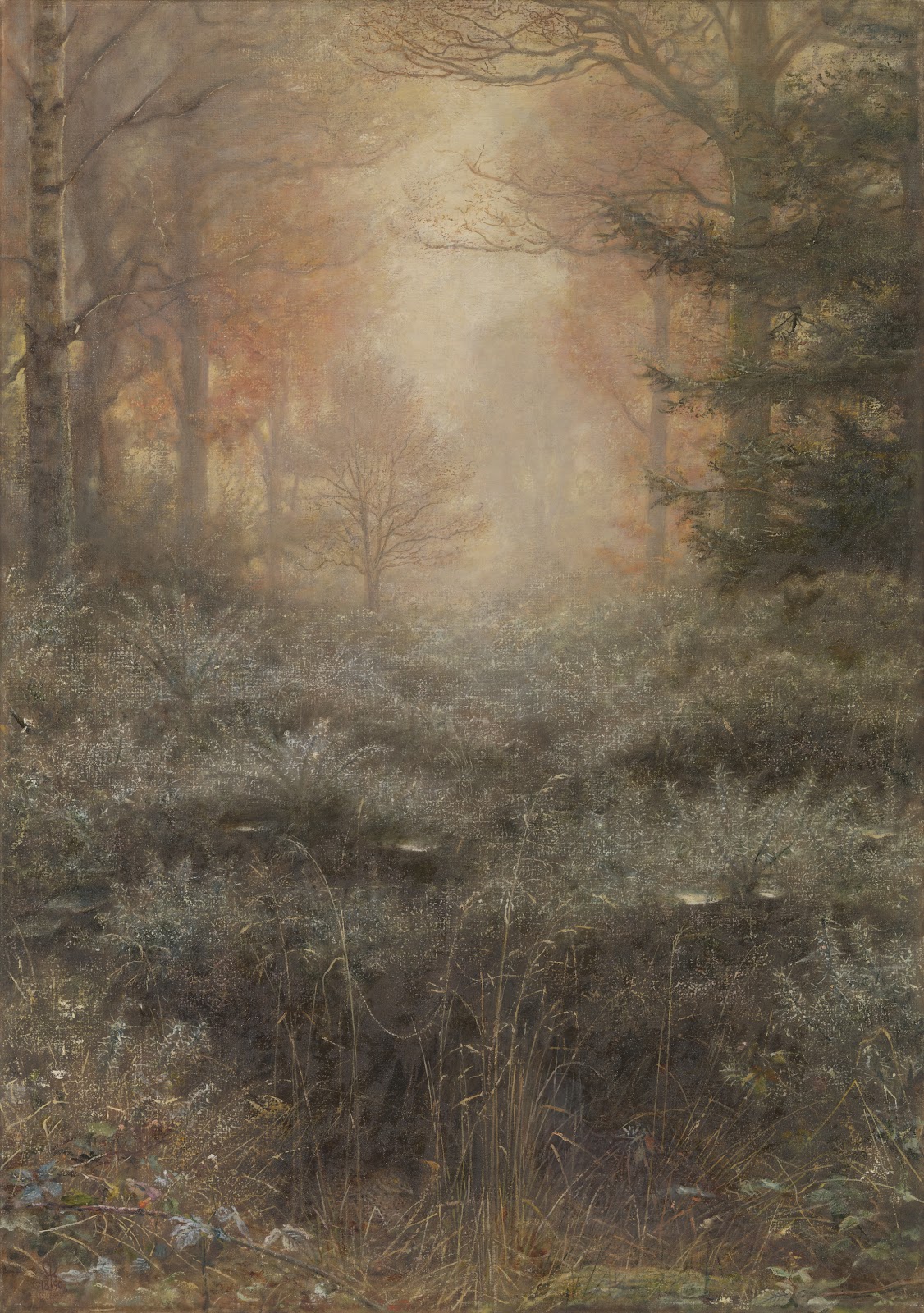
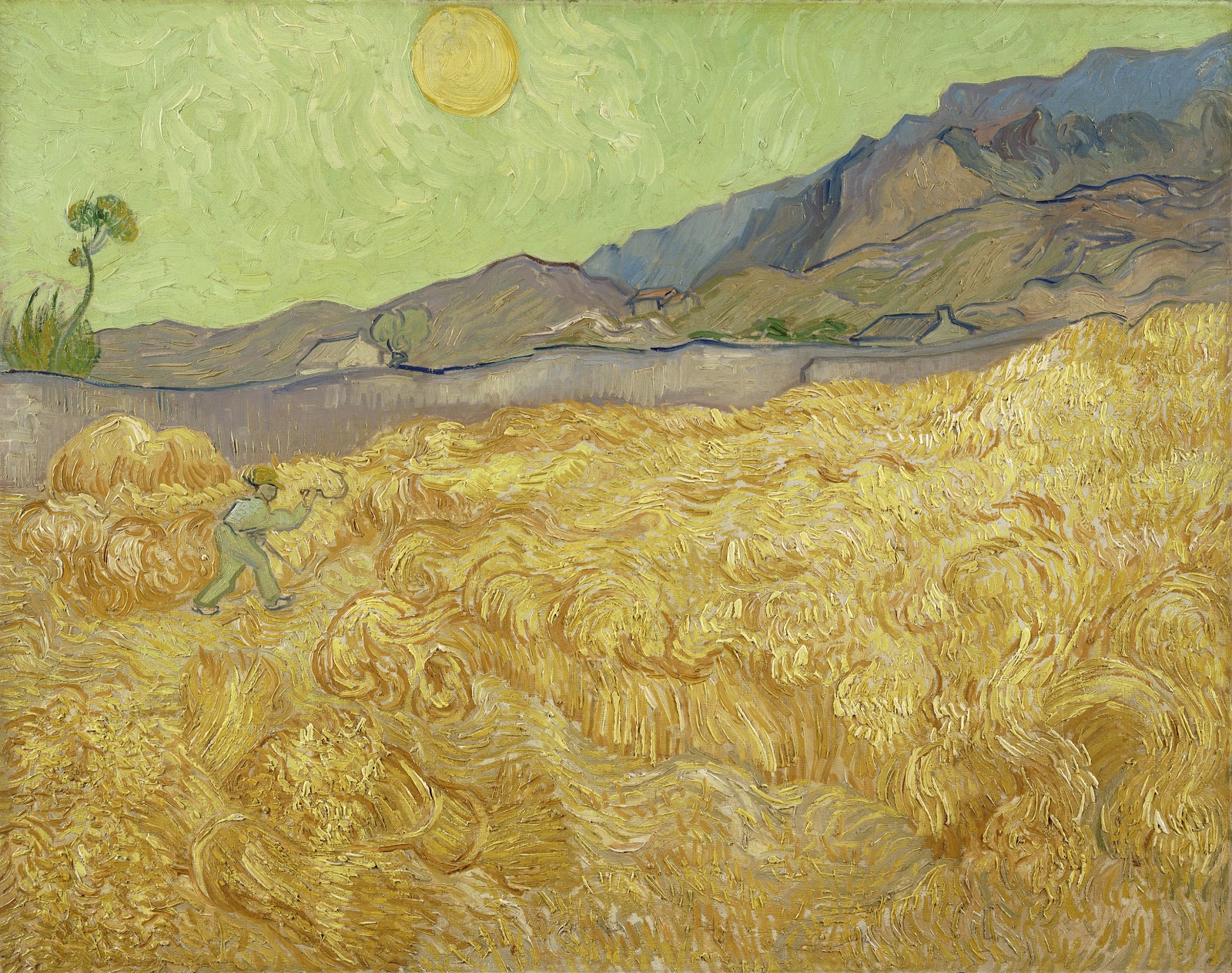
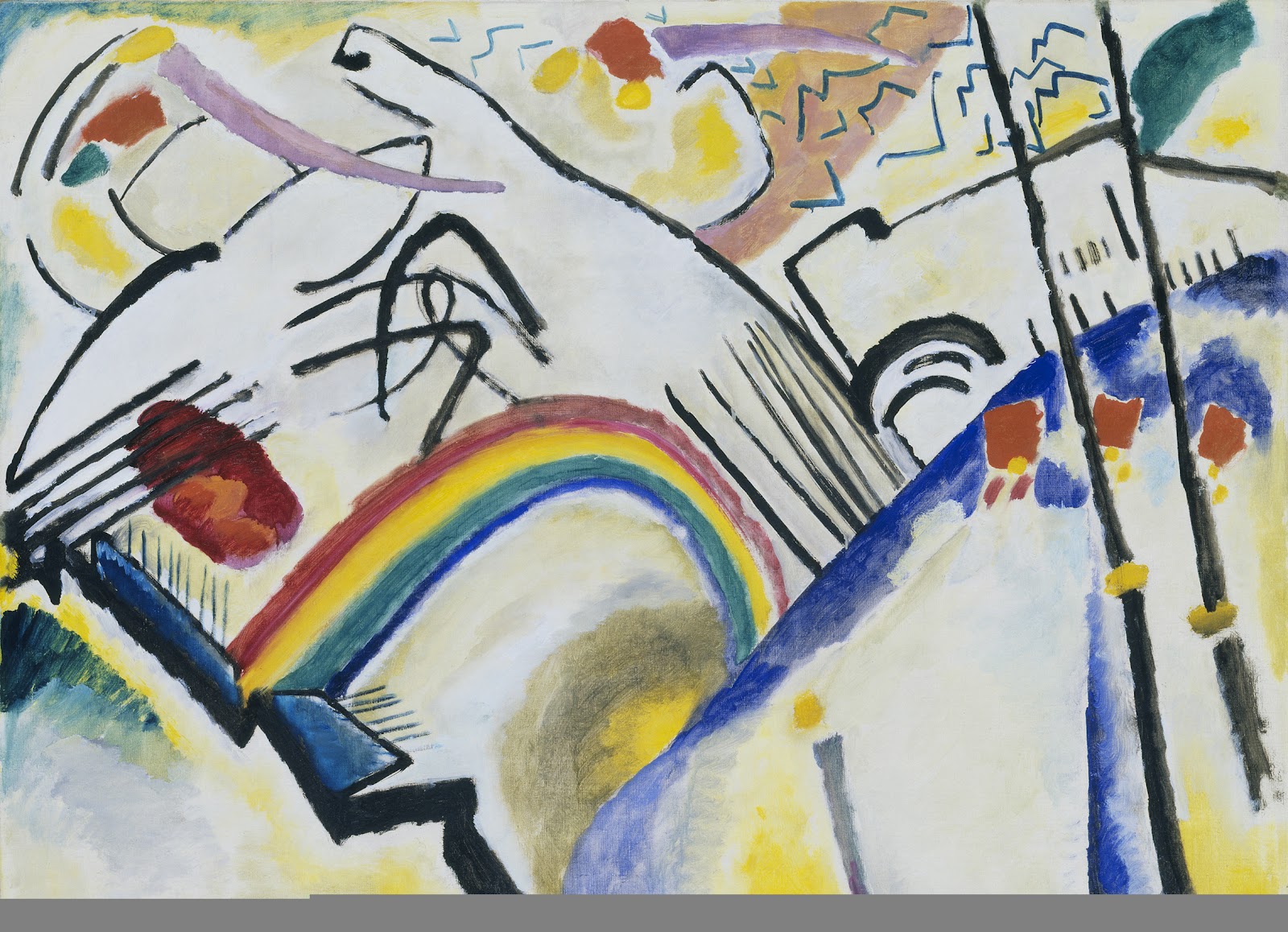
historian Richard Thomson, who is a professor at the University of
Edinburgh. Scottish National Gallery, Edinburgh, Scotland. Through October 14, 2012. The exhibition, which originally debuted at the Van Gogh Museum this past February,� will be at the Ateneum Art Museum, Finnish National Gallery, Helsinki, November 16,� 2012 through February 13, 2013.
——-
Subscribe to Two Coats of Paint by email.




I recently saw the graham sutherland show " an unfinished world" at oxford modern .
The works on paper around the Pembrokeshire coast were in the main meant as development work and so contained a freedom that i dont see in sutherlands canvases. My interest in the landscape as expressive and symbolic was rekindled and i now find myself re aligning myself as an artist.
powerful stuff i think you would like it and the catalogue was very excellent with essays buy curator and painter george shaw and Brian cattling,
I was born too late.
Awesome! Its truly remarkable post, I have got much
clear idea regarding from this paragraph.
My site Famous Still Life Photography